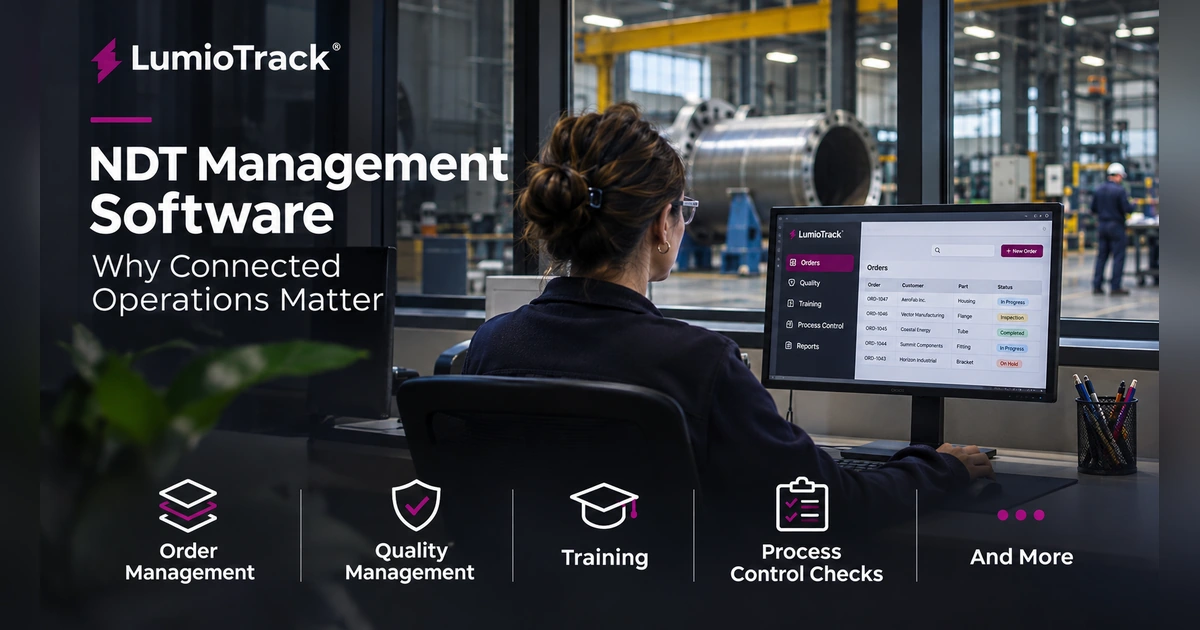
NDT Audit Readiness: Why Quality Starts Before Audit Day
Audit readiness in NDT starts long before the auditor arrives. Learn how better control of procedures, personnel records, and quality information makes a difference.
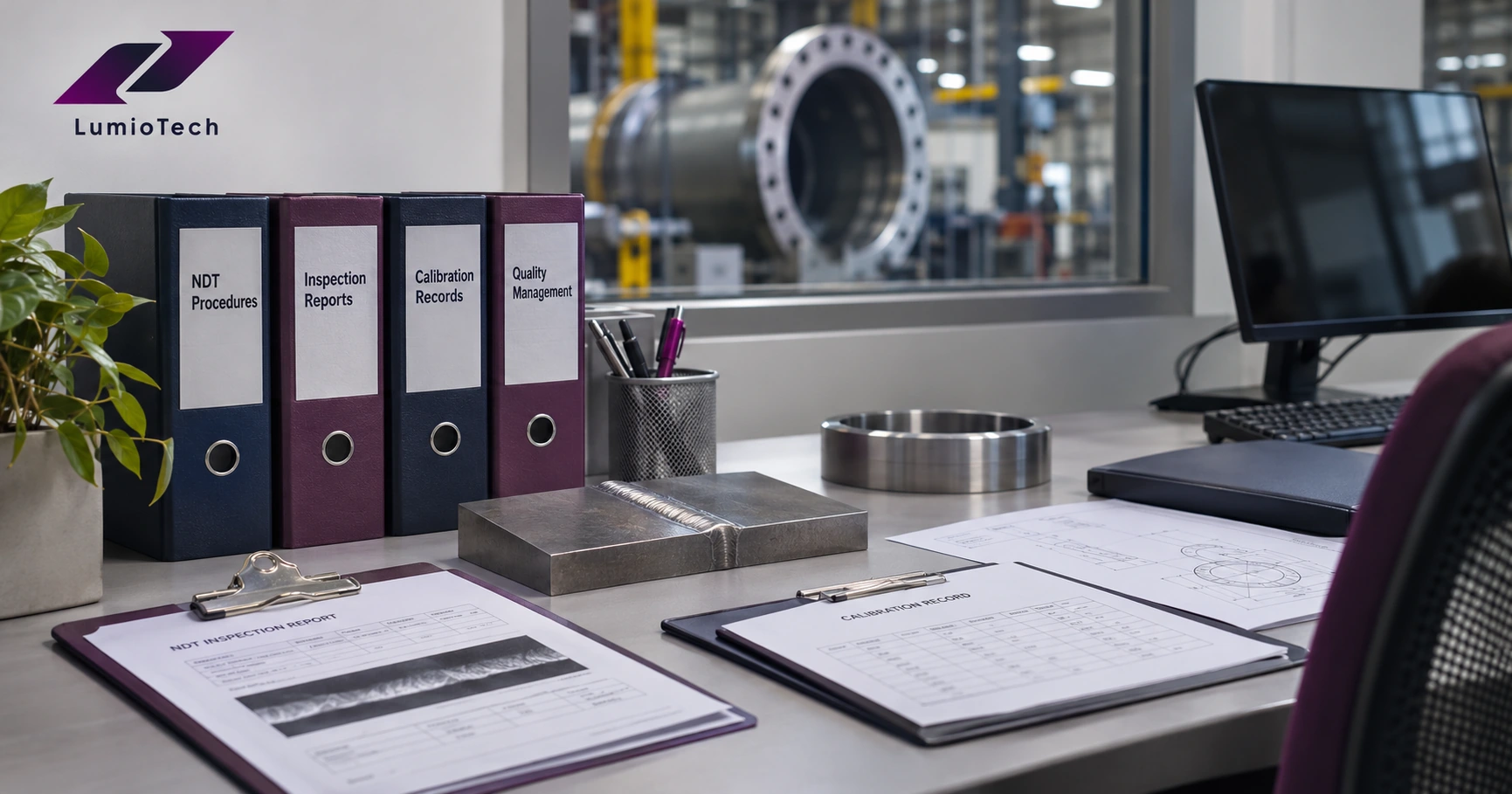
The audit is on the calendar. Someone is looking for the latest procedure revision. Another person is checking personnel certification records. Meanwhile, the Quality Manager is trying to confirm that equipment records and inspection documentation are ready for review.
For many nondestructive testing (NDT) companies, this situation feels familiar.
It doesn't necessarily mean the team has been doing anything wrong. But it raises an important question: If your processes are under control every day, why does preparing for an audit sometimes require so much extra work?
Audit Readiness Starts With Everyday Work
In NDT, quality isn't something that can be demonstrated through a single inspection report.
Auditors may need to review how personnel are qualified, which procedures were followed, whether required equipment checks were completed, and how inspection records support the work performed.
The specific expectations depend on the applicable customer requirements, standards, and audit scope.
For example, ASNT's guidance on NDT audits discusses the importance of following documented procedures and maintaining evidence that requirements have been met.
The strongest preparation begins with the work itself, not with gathering paperwork shortly before an auditor arrives.
The Challenge of Disconnected Quality Records
Most NDT companies already maintain the documentation they need to operate.
The difficulty is often knowing where everything is, whether it's current, and how different records relate to one another.
A technician's qualification information might be stored in one location. Equipment calibration records may be maintained somewhere else. Procedures, inspection reports, and corrective actions may each follow separate processes.
When that information is disconnected, even a straightforward question can require several people and multiple systems to answer.
And as the organization grows, keeping everything coordinated becomes more demanding.
Good Documentation Should Support Good Work
A well-managed quality system makes important information easier to find, verify, and maintain.
Consider a few everyday questions:
Are the appropriate personnel qualified and authorized for the work they're performing?
Are employees using the correct, approved procedure revisions?
Are required equipment checks and calibration records current?
Can the team locate inspection records and supporting documentation when needed?
Are identified nonconformances and corrective actions being followed through?
These questions matter during an audit, but they're just as relevant on an ordinary production day.
When answers are readily available, managers have a clearer understanding of their operation and can address potential issues earlier.
Where Connected Quality Management Makes a Difference
This is where having a connected system becomes valuable.
Instead of managing operational activities, personnel information, controlled documents, equipment records, and quality processes across unrelated tools, organizations can bring those activities into a more consistent environment.
That doesn't eliminate the need for qualified personnel, technical oversight, or established procedures.
It helps reduce the administrative effort involved in maintaining and reviewing the information those responsibilities depend on.
At LumioTech, this thinking is part of why we developed LumioTrack Mfg, an operations and quality management platform for manufacturing and inspection businesses, including NDT organizations.
Our goal is to make the work surrounding inspections easier to manage, while allowing NDT professionals to focus on the technical responsibilities that matter most.
A Better Way to Approach the Next Audit
An audit will always require preparation, review, and attention to detail. No software can guarantee compliance or eliminate findings.
But the process becomes more manageable when accurate records, clear responsibilities, and consistent quality practices are part of everyday operations.
The best time to prepare for an NDT audit is long before the audit is scheduled.
If your team is looking for a more connected way to manage operations and quality information, explore LumioTrack or request a demonstration.