Why Restaurant Operations Need More Than a POS System
A POS system handles sales, but running a restaurant involves much more. Explore how connected operations help restaurants and coffee shops stay organized.
It's 8:00 a.m. at a busy coffee shop. The first customers are arriving, an employee calls in sick, and someone realizes the milk delivery was shorter than expected.
The point-of-sale system is working perfectly. Orders are going through, payments are being processed, and sales are being recorded.
But the manager still has a dozen things to sort out before the morning rush.
It's a familiar reality for restaurant and coffee shop owners. Taking orders is only one part of running the business. Behind every successful shift are people, supplies, daily responsibilities, expenses, and decisions that need attention.
That's why restaurant operations management deserves just as much attention as the customer-facing side of the business.
Your POS Is Important, But It's Not the Whole Operation
A reliable point-of-sale (POS) system is essential for most restaurants.
Modern POS platforms can offer much more than payment processing. Depending on the provider and setup, they may include inventory tracking, employee management, reporting, and other operational tools.
Still, having those capabilities doesn't automatically mean every part of the business is connected or easy to manage.
The real question isn't whether your POS has enough features.
It's whether your team has a clear, reliable way to manage everything that happens before, during, and after a sale.
The Work Customers Don't See
A restaurant can look perfectly organized from the dining room while the team behind the scenes is juggling disconnected information.
Consider a few everyday situations:
A delivery arrives, but inventory records aren't updated until later.
An opening checklist is completed on paper, making it difficult for management to confirm what was done.
Employee attendance is recorded separately from other daily operational information.
Expenses and stock usage need to be reconciled at the end of a busy week.
A manager needs a clear picture of the day but has to check several applications or spreadsheets to get it.
None of these problems is particularly unusual.
Individually, they may seem small. Together, they create extra administrative work and make it harder to keep operations consistent.
For a growing restaurant or coffee shop, that complexity can become a real management challenge.
Why Connected Restaurant Operations Matter
The value of connected operations isn't simply having everything on one screen.
It's helping the different parts of the business work with information that is organized, accessible, and easier to maintain.
When inventory, staff activity, daily tasks, and financial information are managed through a more connected approach, owners and managers can spend less time piecing together updates.
They can focus on practical questions:
Do we have what we need for tomorrow? Were today's responsibilities completed? Are staffing records accurate? Where are costs increasing? What needs attention before the next shift?
Better visibility doesn't replace good management.
It gives managers better information to work with.
Coffee Shops Have Their Own Operational Challenges
Coffee shops are a good example of why operational details matter.
A relatively small team may need to handle fast-moving orders, perishable ingredients, daily preparation, cleaning routines, and frequent stock replenishment.
During peak hours, there's little room for unnecessary administrative work.
The same principle applies to restaurants, where managers balance inventory, staffing, preparation, service, and day-to-day expenses.
The right restaurant operations management software should make these responsibilities easier to coordinate without adding another complicated process for employees to follow.
And it should reflect how the business actually operates, rather than expecting every restaurant or coffee shop to work the same way.
What to Look for Beyond the POS
Before adding another software platform, it's worth evaluating what your existing tools already handle well.
You may not need to replace anything.
Instead, look at the gaps that still require manual work or leave managers without reliable information.
A few useful questions include:
Can we easily understand our current inventory position?
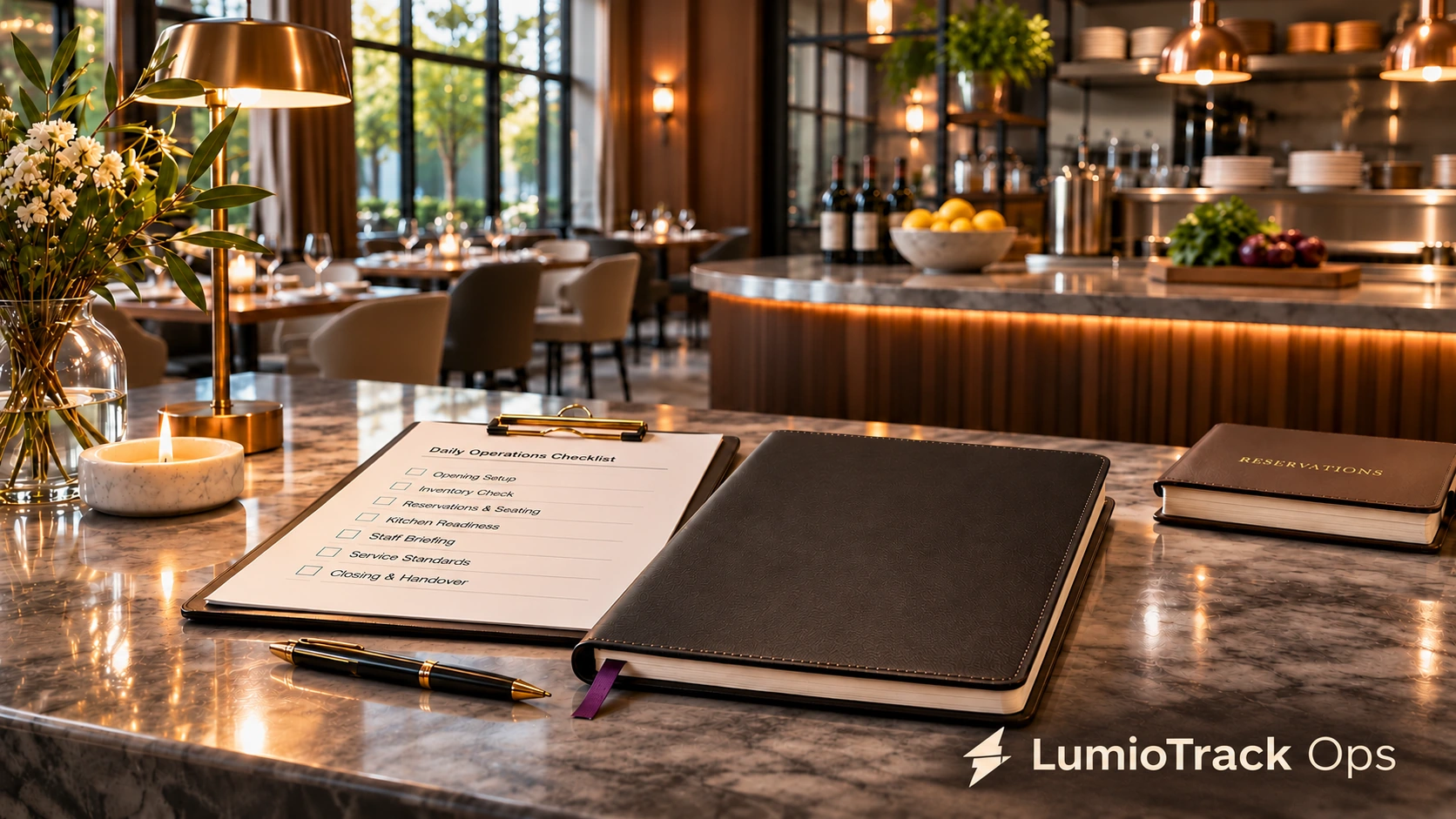
Are daily opening, preparation, and closing responsibilities clearly tracked?
Can managers review staff attendance without searching through separate records?
Is operational information available when decisions need to be made?
Are we spending too much time reconciling data from different places?
The best solution is the one that addresses real operational problems without creating unnecessary complexity.
Introducing LumioTrack Ops
At LumioTech, we recognize that running a restaurant or coffee shop involves much more than processing transactions.
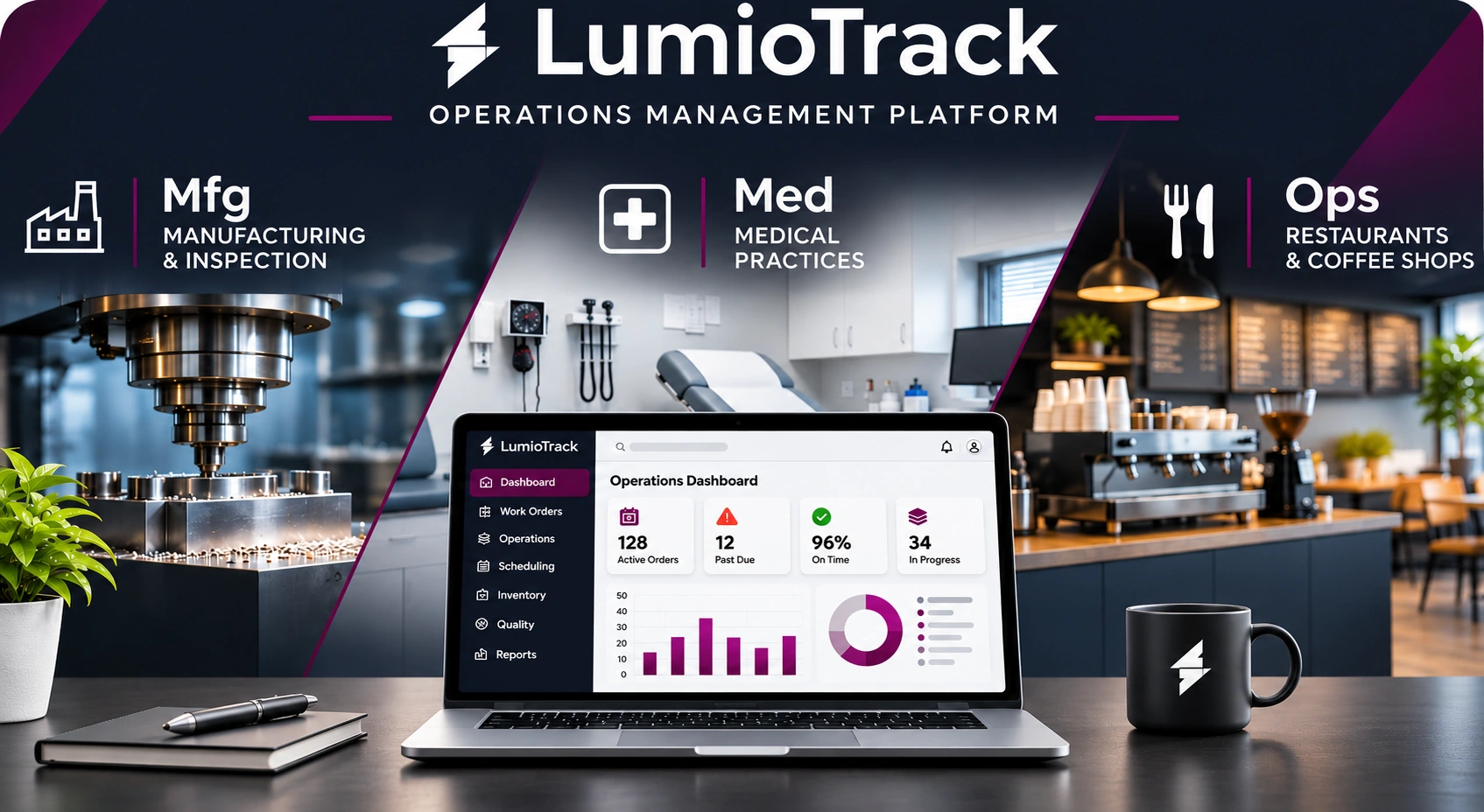
That's the thinking behind LumioTrack Ops, an operations management platform designed around the everyday needs of restaurants and coffee shops.
LumioTrack Ops focuses on bringing important operational activities into a more organized environment, including inventory management, daily tasks, staff attendance, accounting information, and operational insights.
The goal isn't to replace the experience and judgment of restaurant owners or managers.
It's to make the administrative side of the business easier to oversee, so teams can focus more of their attention on the work and the customers in front of them.
Better Operations Start Behind the Counter
Customers remember the quality of their food, the service they receive, and the experience they have.
Behind those experiences are dozens of operational details that need to come together throughout the day.
A good POS system plays an important role. But running a restaurant successfully also means keeping people, supplies, responsibilities, and business information organized.
Better visibility. Less administrative friction. More time to focus on the customer experience.
That's the direction behind LumioTrack Ops.
Interested in a more connected way to manage your restaurant or coffee shop? Explore LumioTrack Ops or contact LumioTech to discuss your needs.